Tummy Tuck Surgery(Abdominoplasty) in Nashik
Firm. Restore. Refine.
Excess
Skin removal
Muscle
Repair
Body
Contouring

Aakar Aesthetics
Personalised Abdominoplasty Care
Nashik, Maharashtra
Understanding Abdominoplasty
Tummy Tuck Surgery in Nashik
Abdominoplasty, or tummy tuck surgery, is a popular cosmetic surgery intended for fat reduction, skin tightening, and reshaping of the abdomen. A great number of people have to live with stubborn fat and saggy skin in the midsection of their body, which can be caused by pregnancy and/or extreme weight loss, thereby affecting appearance and confidence.The procedure not only removes excess fat and sagging skin but also tightens the weakened abdominal muscles, restoring a firmer, flatter tummy. Sometimes, this helps improve the patient's posture and reduces back discomfort brought about by weak core muscles.
Dr. Kiran Nerkar performs abdominoplasty surgery at Aakar Aesthetics in Nashik using the latest, safest techniques to ensure natural contours of the body with long-lasting results. Whether you wish to regain your pre-pregnancy figure or want to enhance your body after massive weight loss, abdominoplasty can help you get back a smooth, flattened silhouette with renewed confidence.
Explore the Procedure
What is the Tummy Tuck Surgery?

Tummy Tuck Surgery
About the Procedure
An advanced technique to remove excess fat and skin.l
Restores weakened and separated muscles for a firmer appearance.g
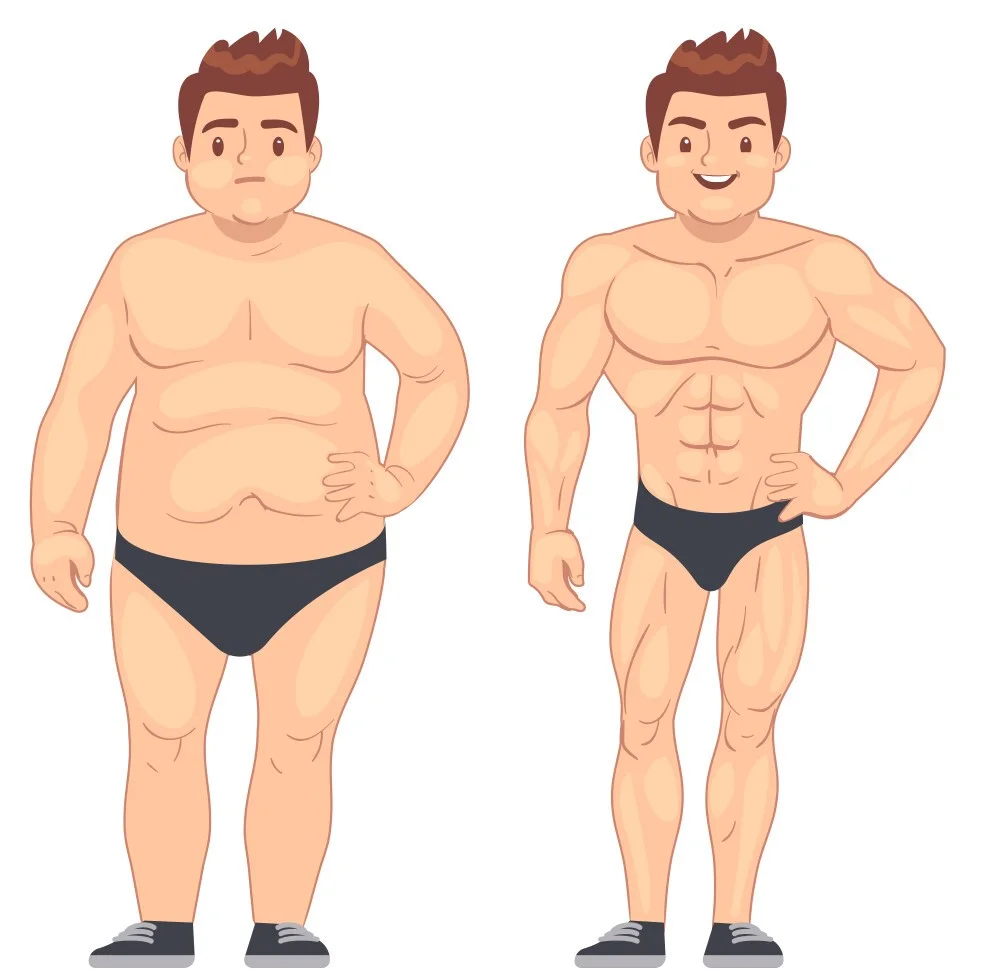
Removes stubborn midsection fat which does not go from diet or exercise.
Your Surgical Journey
How You Prepare for a Tummy Tuck
Proper preparation helps you understand your treatment options, plan for recovery and prepare for surgery safely. Your surgeon will personalise these recommendations to your medical needs.
Medical History
Be prepared to answer questions about current and past medical conditions. Talk about any medications you’re taking or you have taken recently, as well as any surgeries you’ve had.
Personalised Plan
Tell your doctor if you are allergic to any medications. If your desire for a tummy tuck is related to weight loss, your doctor will likely ask detailed questions about your weight gain and loss.
Physical Examination
To determine your treatment options, the doctor will examine your abdomen. The doctor might also take pictures of your abdomen for your medical record.
Discuss Expectations
Explain why you want a tummy tuck, and what you’re hoping for in terms of appearance after the procedure. Make sure you understand the benefits and risks, including scarring. Keep in mind that previous abdominal surgery might limit your results.
Before Your Procedure
Preparing for Surgery
Your surgeon may recommend the following steps before your tummy tuck, depending on your health, medications and surgical plan.
Stop Smoking
Smoking decreases blood flow in the skin and can slow the healing process. In addition, smoking increases the risk of tissue damage. If you smoke, your doctor will recommend that you stop smoking before surgery and during recovery.
Avoid certain medications
You’ll likely need to avoid taking aspirin, anti-inflammatory drugs and herbal supplements, which can increase bleeding.
Maintain a Stable Weight
Ideally, you’ll maintain a stable weight for at least 12 months before having a tummy tuck. If you’re severely overweight, your doctor will recommend that you lose weight before the procedure. Significant weight loss after the procedure can diminish your results.
Prevent Complications
Shortly before your tummy tuck, you’ll need to begin taking an anticoagulant to prevent blood clotting.
Arrange Recovery Support
Make plans for someone to drive you home after you leave the hospital and stay with you for at least the first night of your recovery at home.
Important: Follow your plastic surgeon's instructions regarding medication, smoking cessation, weight management and preoperative assessments. Blood-thinning medication should only be started if specifically prescribed. Your surgeon will determine when you are ready for surgery.
Understanding Your Concerns
Why Is a Tummy Tuck Done?
Weight changes, pregnancy and ageing can leave excess abdominal skin, stubborn fat and weakened connective tissue. A tummy tuck, also known as abdominoplasty, may help improve abdominal contour when these changes cannot be addressed through exercise alone.
Common Causes
What Leads to Excess Abdominal Skin?
Several factors can affect the appearance and firmness of your abdomen.
Weight Changes
Significant weight gain or loss.
Pregnancy
Skin stretching and abdominal muscle changes.
Previous Surgery
Abdominal procedures, including a C-section.
Ageing
Gradual loss of skin elasticity.
Natural Body Type
Genetic and individual body characteristics.
Weakened Tissue
Reduced firmness of abdominal connective tissue.
What Can a Tummy Tuck Improve?
A tummy tuck removes selected excess skin and fat and may tighten weakened abdominal fascia when appropriate.
Removes loose, hanging skin from the abdomen.
Improves abdominal contour by removing selected excess fat and skin.
May tighten separated or weakened abdominal muscles and fascia when indicated.
Can remove some stretch marks located on the skin that is excised, often below the bellybutton.
An existing C-section scar may sometimes be incorporated into the new incision.
Who is a good candidate for gynecomastia surgery?
Abdominoplasty is performed in a hospital or an accredited surgical facility under general anesthesia. It is an advanced fat reduction surgery intended to get rid of excess fat and tighten the loosened muscles of the abdomen for a flatter and firmer look. Aakar Aesthetics, Nashik, ensures safety and precision in performing abdominoplasty with modern techniques that will lead to long-lasting body contouring results.
Why It's Done
When Is a Tummy Tuck Considered?
A tummy tuck isn’t for everyone. Your doctor might caution against a tummy tuck if you:
Before Surgery
Preparing for Your Tummy Tuck
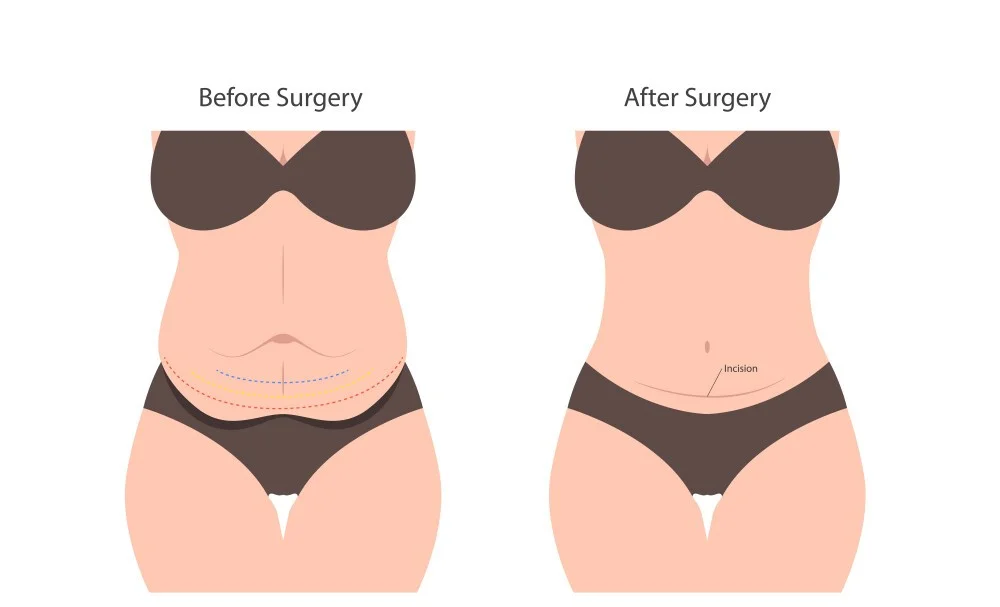
There are a number of different procedures for a tummy tuck, depending on the extent of change you would like to see. During the typical tummy tuck, your plastic surgeon makes incisions to remove most of the skin and fat between your bellybutton and pubic hair in a horizontal oval or elliptical shape. Connective tissue (fascia) that lies over the abdominal muscles is then tightened with permanent sutures.Dr. Kiran Nerkar Sir will then reposition the skin around your bellybutton. Your bellybutton will be brought out through a small incision and sutured in its normal position. The incision from hip to hip above the pubic hair will be stitched together and will leave a scar that falls along the natural crease within the bikini line.During the procedure you might be given an antibiotic to prevent infection.The procedure typically takes about two to three hours.
Medical Evaluation
Medical history and physical exam, including photos for planning.
Stop Smoking
Stop smoking well ahead of surgery — smoking slows healing and raises complication risk.
Medication Review
Avoid aspirin, anti-inflammatory drugs, and certain herbal supplements that increase bleeding risk.
Stable Weight
Maintain a stable weight for at least 12 months before the procedure for the most durable results.
Arrange Home Support
Arrange help for the first night after discharge.
After Your Procedure
Tummy Tuck Recovery Timeline
Right after the surgery, your tummy and belly button will have dressings to help protect the areas and support healing. Sometimes, there might be small drainage tubes near the incision site to remove extra fluid from the body and reduce swelling; these are always removed within a few days.Our medical team at Aakar Aesthetics, headed by Dr. Kiran Nerkar, will assist in getting up and walking gently on the same day or the next morning for better blood circulation and to avoid blood clots.It is common to have mild to moderate pain and swelling for a few days, and this can easily be managed with prescribed pain relievers and appropriate rest. You may be advised to:Wear an abdominal binder for support for approximately 4-6 weeks to help in healing and preventing fluid buildup.Take prescribed antibiotics or blood-thinning medication to prevent infection and enhance healing.Avoid bending, heavy lifting, or any sudden movement that may pull on your incision line.Keep your drains clean, and empty them as your doctor instructs.Detailed post-operative instructions will be given and regular follow-ups are scheduled by Dr. Nerkar and his team after your surgery to check on your recovery and scar healing. Most patients can return to light activities within 2 weeks and enjoy a flatter, firmer abdomen as healing progresses over the next few months.Your tummy tuck results will continue to get better naturally with time and proper care, lasting for many years, thus helping you regain confidence in your body.
Frequently Asked Questions
Tummy Tuck Surgery FAQs
Answers to common questions about abdominoplasty, muscle tightening, recovery, scars and combining tummy tuck surgery with other procedures.
No. A tummy tuck is not a weight-loss procedure. It removes excess skin and may tighten abdominal muscles for patients who are already close to their target weight but have loose skin or muscle separation that diet and exercise cannot fully correct.
Begin Your Transformation Journey
Ready for a Firmer, Flatter Abdomen?
Schedule a personalised consultation with Dr. Kiran Nerkar to discuss your abdominal concerns, suitability, tummy-tuck technique, expected recovery and treatment options.
Individual results vary. Consultation and clinical assessment are required before treatment.